

Water Well Drilling & Pump Repair in Poolville, TX | DFW Well Service
Service Area Overview
Licensed well drilling and pump service for Poolville, TX acreage homes and ranches, reaching the Parker County Trinity aquifer at 250–550 ft.
Services We Provide in Poolville
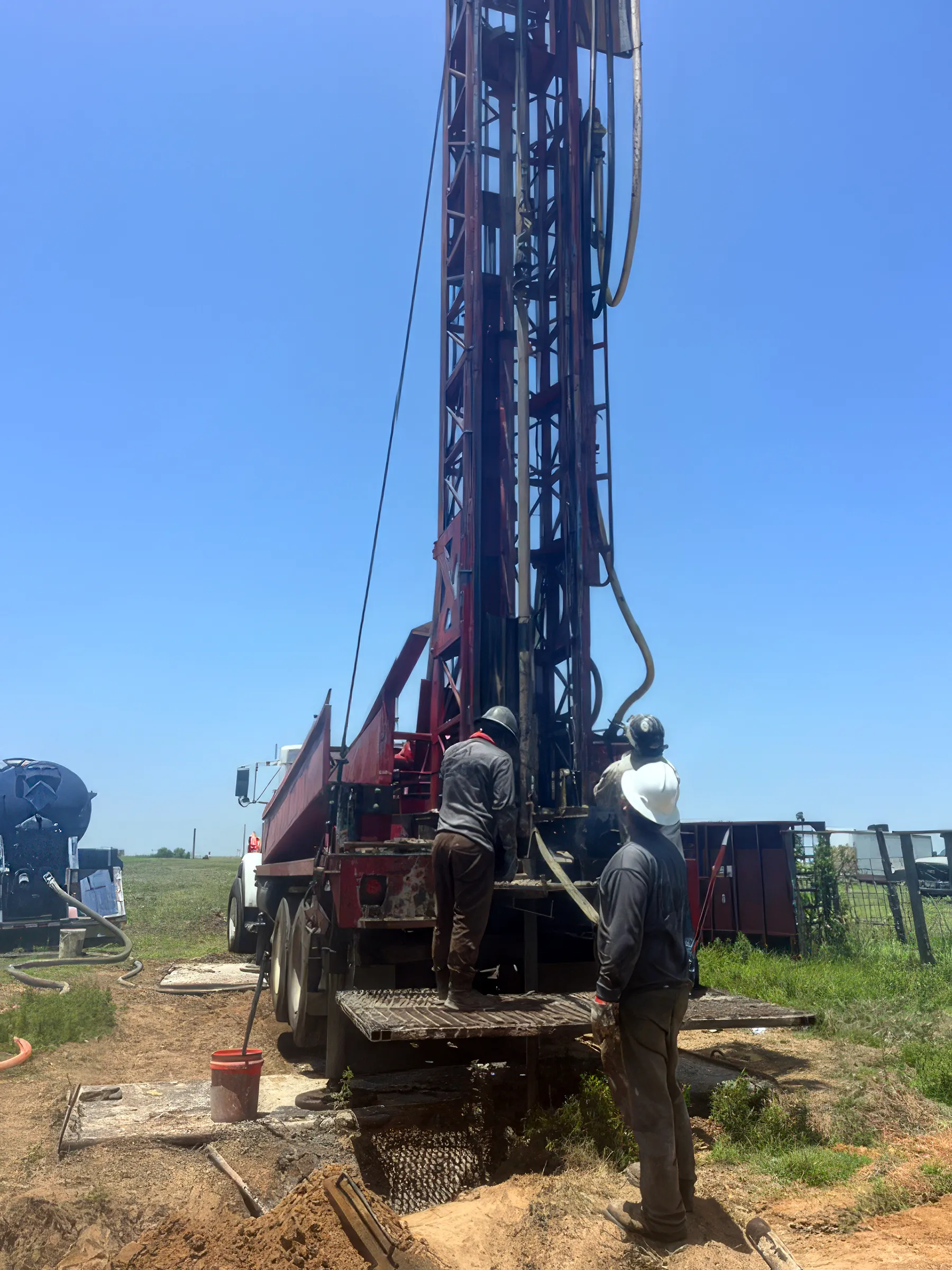
DFW Well Service (TDLR License #61234 DKMPW) serves Poolville and the rural, acreage communities of northwestern Parker County with the full range of water well services.
Wells around Poolville reach the Trinity aquifer, and this part of northwestern Parker County sits in the outcrop belt where the main sand — the Paluxy — comes close to the surface, so completions commonly run around 250 to 550 feet and can be shallower and easier than in eastern Parker. Limestone still covers the sand across much of the area, so depth varies parcel to parcel, and every new well is permitted through the Upper Trinity GCD.
Well Depth & Geology in the Poolville Area
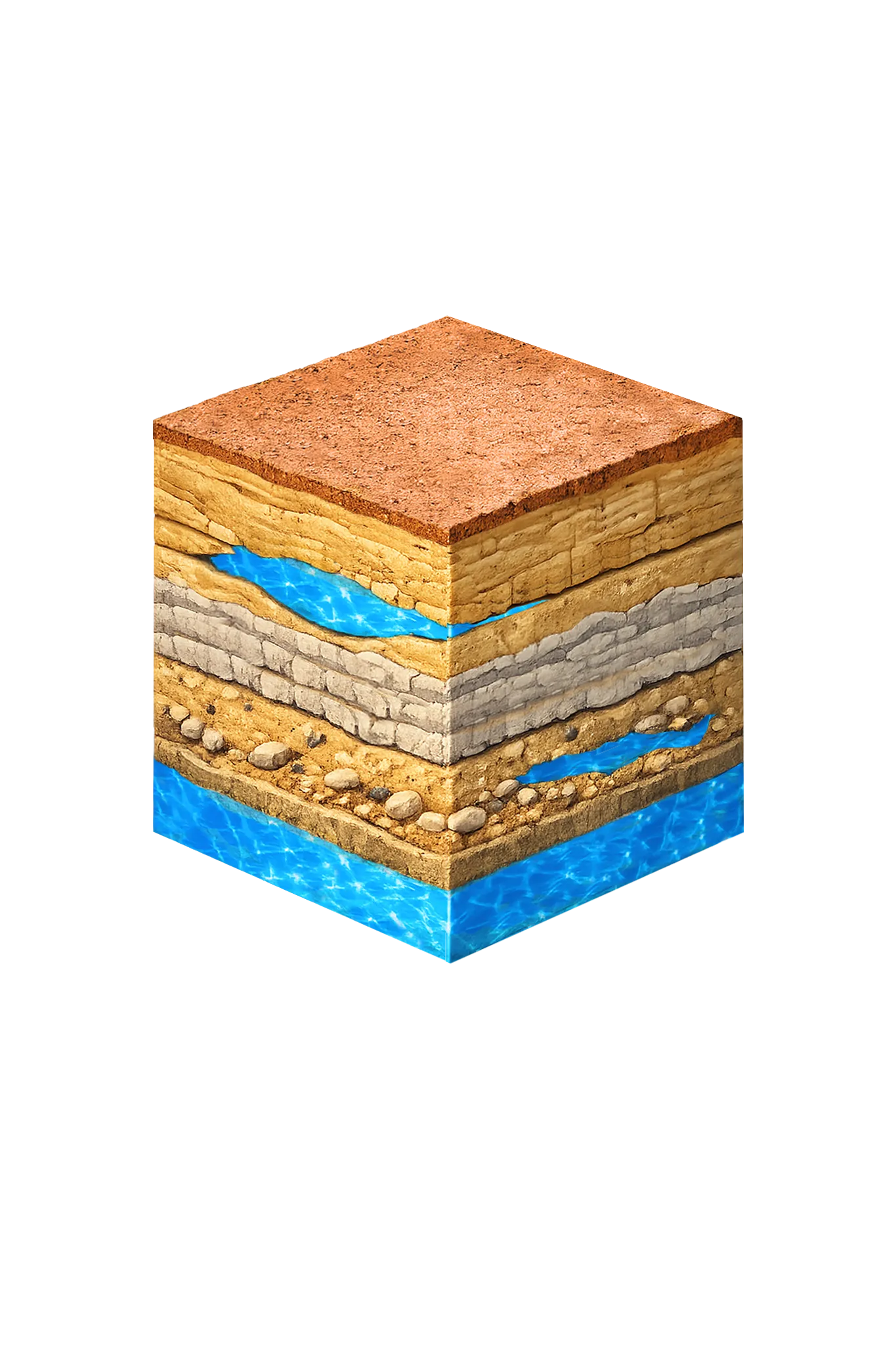

About this diagram
This cross-section shows the rock layers beneath Poolville from topsoil down to the Trinity aquifer system.
Tap any layer in the cube — or in the list below — to see what it is and what it means for drilling a well here.
- Topsoil — Cross Timbers Trinity outcrop0–20 ft
- Paluxy Formation20–350 ft
- Glen Rose Formation350–500 ft
- Twin Mountains Formation500–700 ft
This shows the layer stack typical of the Poolville area. The exact formations and depths under a specific property vary — see the details above.
- Primary Aquifer
- Trinity (Paluxy / Twin Mountains)
- Typical Well Depth
- 250–550 ft
- Groundwater District
- Upper Trinity GCD
- Confinement
- outcrop in central and western Parker County; confined beneath younger limestone in eastern Parker County
Parker County overview → Permit & regulations → TDLR License #61234 DKMPW Updated August 6, 2026
Wells around Poolville draw from the Trinity aquifer, and this part of northwestern Parker County sits in the outcrop belt where the main sand — the Paluxy — reaches close to the surface. That can mean shallower, easier completions than in eastern Parker, though limestone still covers the sand across much of the area, so depth varies parcel to parcel. Below the Paluxy, the Glen Rose Formation is mostly limestone that seals the sand beneath it, and the deeper Twin Mountains sand is the strongest producer once a well reaches it.
Poolville’s acreage and ranch properties depend on private wells almost across the board. New homes built out on larger lots frequently need a well from the start, and agricultural users often want higher-yield completions than a standard residential well — both of which we handle.
Parker County Permit Requirements
Any new water well in the Poolville area of Parker County requires authorization from both TDLR and the Upper Trinity Groundwater Conservation District. The Upper Trinity GCD sets well spacing and property-line setback rules and requires a completion report once the well is finished; TDLR construction standards cover casing, grouting, and setbacks from septic systems.
For more detail on the local permit process, read our guide to Parker County water well regulations.
Call DFW Well Service at (940) 536-8560 for a free estimate. We serve Poolville and all of rural Parker County — whether you need a new well for an acreage home, a pump replaced, or your water quality tested, we’ll give you clear information and honest pricing.