

Water Well Drilling & Pump Repair in Plano, TX | DFW Well Service
Service Area Overview
Licensed well drilling and pump service on Plano acreage in western Collin County, where the Woodbine thins and wells target the deeper Trinity.

Services We Provide in Plano
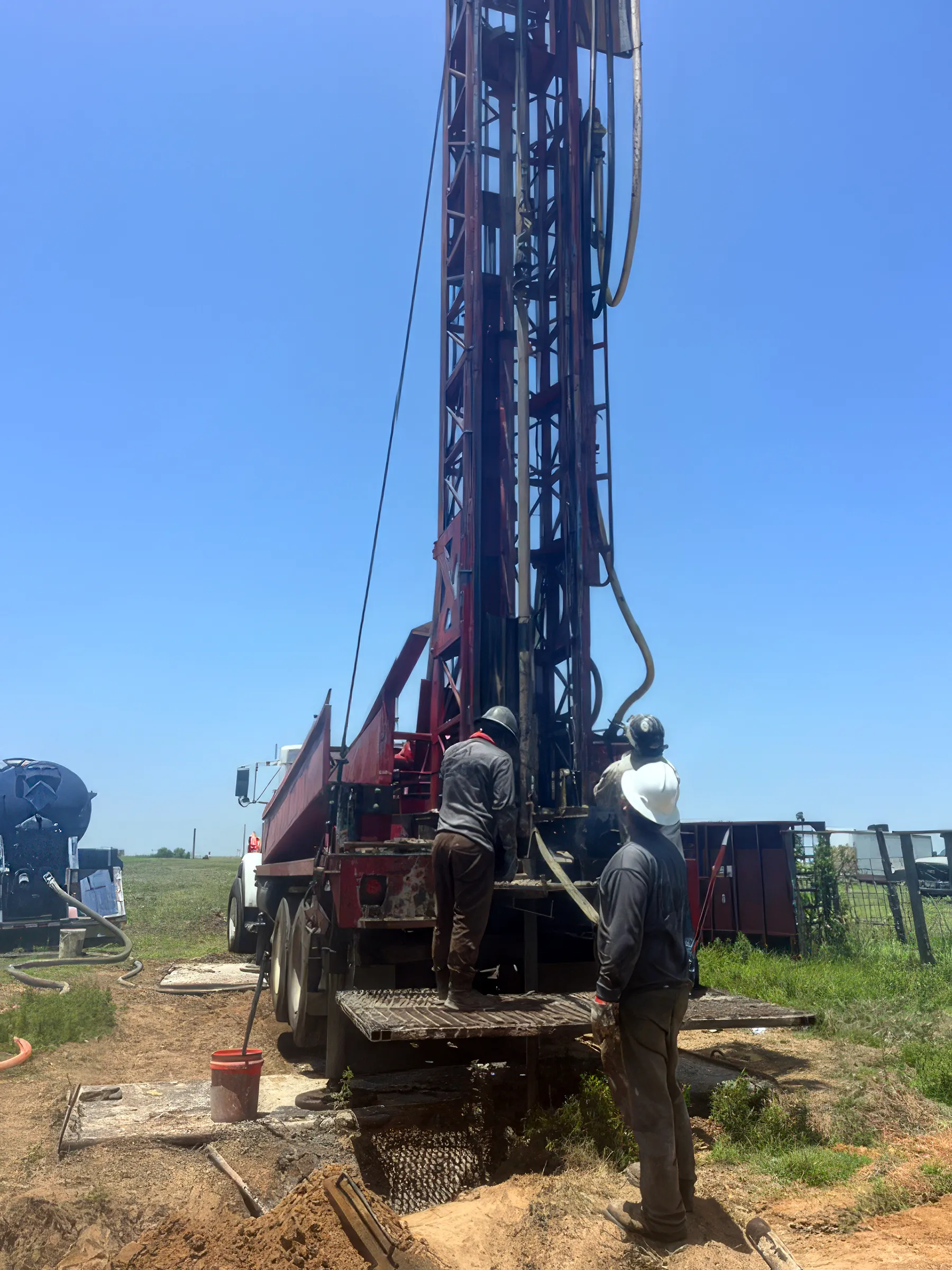
DFW Well Service brings licensed well drilling expertise to Plano and the surrounding acreage communities of Collin County. Whether you are developing raw land, replacing a failing pump, or investing in a water test for a property purchase, our team is equipped to help.
Well Depth & Geology in the Plano Area
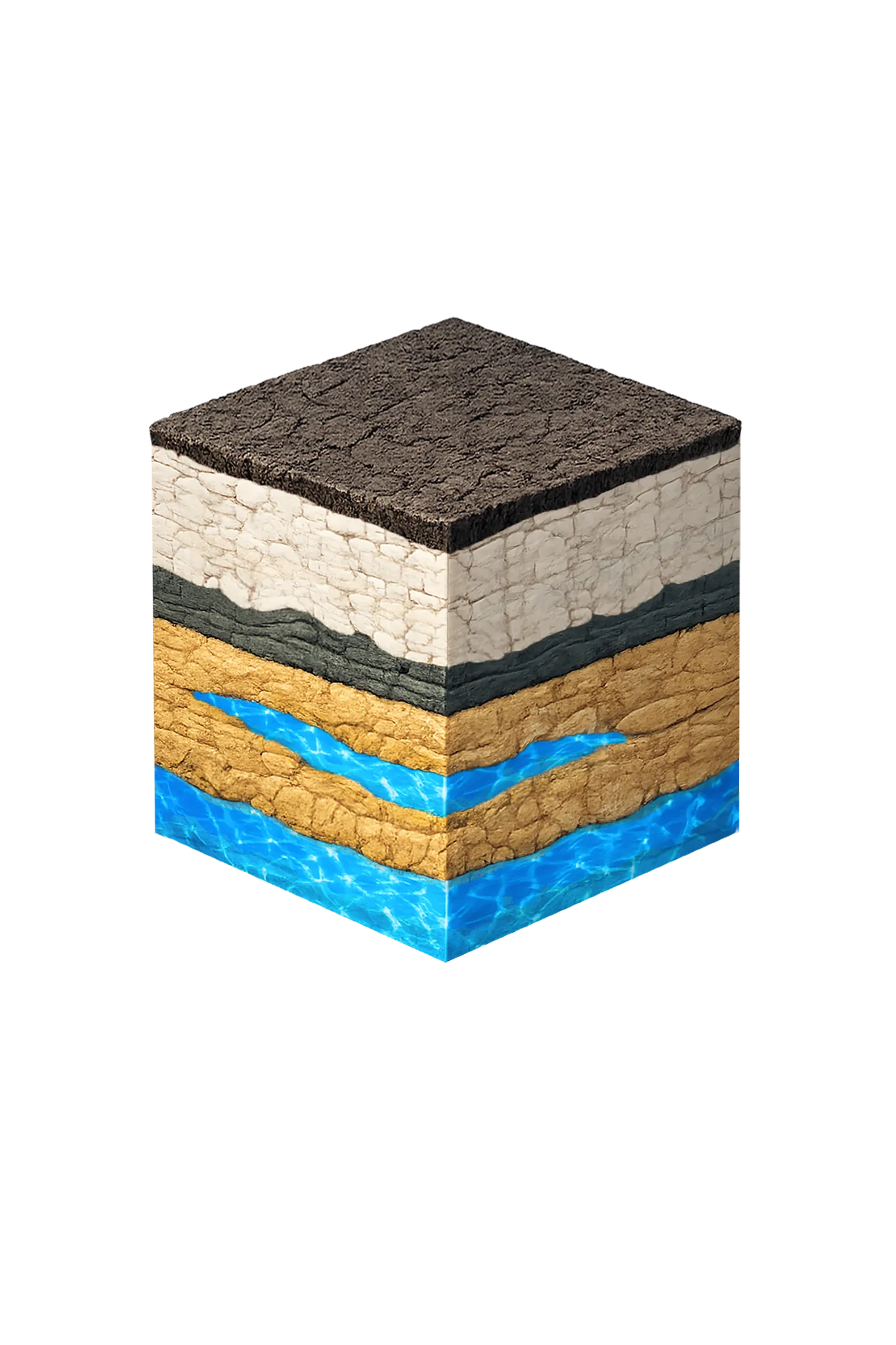

About this diagram
This cross-section shows the rock layers beneath Plano from topsoil down to the Woodbine aquifer system.
Tap any layer in the cube — or in the list below — to see what it is and what it means for drilling a well here.
- Topsoil — Blackland Prairie vertisol0–10 ft
- Austin Chalk10–150 ft
- Eagle Ford transition150–200 ft
- Woodbine Formation200–400 ft
This shows the layer stack typical of the Plano area. The exact formations and depths under a specific property vary — see the details above.
- Primary Aquifer
- Woodbine
- Typical Well Depth
- Varies by location
- Groundwater District
- North Texas GCD
- Confinement
- confined
Secondary: Trinity
We estimate from nearby well records
Collin County overview → Permit & regulations → TDLR License #61234 DKMPW Updated August 6, 2026
Wells around Plano often draw from the deeper Trinity Group rather than the Woodbine, because Plano sits in western Collin County where the Woodbine sand thins out. Where the Woodbine is thin or absent, properties target the Trinity (Paluxy, Glen Rose, Twin Mountains) instead — and that sand sits substantially deeper than in central or eastern Collin County. Most of Plano is on city water, so private wells are less common here than in the more rural parts of the county. There’s no single typical depth here; it varies meaningfully by parcel and which layer the well targets.
Collin County Permit Requirements
Well construction in Plano and unincorporated Collin County is regulated by the North Texas Groundwater Conservation District. Property owners must obtain a well permit from the district prior to drilling, and all work must be performed by a TDLR-licensed driller. The district also enforces well spacing and property-boundary setbacks, while TDLR construction standards cover separation from septic systems and surface contamination sources. Learn more in our detailed guide to Collin County water well regulations.
Call DFW Well Service at (940) 536-8560 for a free estimate on your Plano-area well project. We serve all of Collin County and surrounding areas with honest pricing and professional service.